Diu is tiny. You can practically walk from one end to the other and still have time for a coconut water break. But that smallness is exactly what makes the “where should I stay” question so confusing. Do you park yourself by the beach and live the slow life, or do you stay in the old town and be in the middle of everything? I tried both on two separate trips, and I’m going to settle this once and for all for myself, anyway, and hopefully for you too.
My Beach Resort Days in Diu: Waves, Pools, and Doing Absolutely Nothing
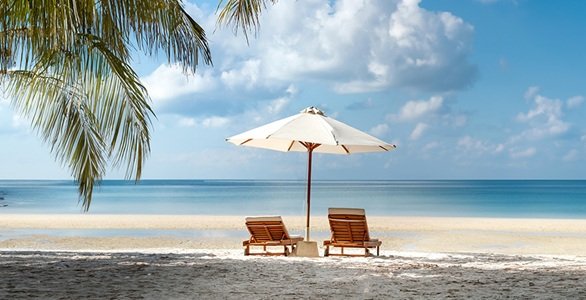
I stayed near Nagoa Beach for my first trip, which is genuinely the heart of Diu’s beach scene, with a cluster of resorts lined right along the sand. My mornings started with the sound of waves instead of traffic, and I’d usually wander down for a swim before breakfast even happened. The resort had a pool, a garden, and a restaurant serving fresh seafood, so most days I never really needed to leave the property.
This is the appeal in one line: total relaxation. No haggling with autos, no figuring out where to eat, no walking in the heat to find an ATM. Just sea, sunbeds, and the occasional dip in the pool when the ocean felt like too much effort. If you’re travelling with family or want a genuine “do nothing” holiday, the beach belt of Diu think Nagoa and Ghoghla, delivers that in full.
The catch? Sightseeing becomes a project. Diu Fort, St. Paul’s Church, and the old town market are a fair drive away, so you’re either renting a scooter or depending on the resort’s cab service. Not a dealbreaker, but it turns a quick evening stroll to a heritage site into a planned outing.
My Town Stay Days in Diu: Forts, Markets, and Actual Diu Life
On my second trip, I switched things up and booked a hotel in Diu town, close to the fort and the main market. This was a completely different rhythm. I could walk to Diu Fort in the evening and catch the sunset over the Arabian Sea from the ramparts, grab dinner at a local Gujarati thali place, and still be back at the hotel in ten minutes flat.
Staying in town put me right in the pulse of the place: bakeries, little shops, the bus stand, St. Paul’s Church, all within easy reach. It also turned out kinder to the wallet; town hotels in Diu tend to be more budget-friendly than the beachfront resorts without skimping much on comfort. And there’s something nice about bumping into other travellers over breakfast instead of just resort staff.
The trade-off is obvious the moment you want a swim. The beaches aren’t far by Diu standards, but they’re not outside your window either, so you’re back to renting a scooter if the sea is calling.
So, Beach Resort or Town Stay? Here’s My Honest Verdict
Overall, there are no clear winners when assessing the two options. The better option is based on the type of trip you want. For example, a slow and easy-going beach holiday would be better spent at an all-inclusive hotel either in Nagoa or Ghoghla. For a holiday based around visiting forts, churches, markets and experiencing Diu’s Portuguese influence, the option of staying within the town would be the better choice.
If I had to choose an option, I would share that I favour the option of staying in town rather than at a beach resort. Walking around the old town of Diu, with its unique narrow streets and colourful balconies, provides an experience unlike strolling around a pool at a beach resort.
My advice to anyone making 2-day trips to Diu is to stay in town for the first 2 nights and finish with a stay at a beach resort the last night. Diu is a small island, making it easy to experience both a beach resort and town within a 3-day duration without wearing yourself out.
If you’re booking your own hotel stays in Diu, my advice is simple: figure out whether you’re chasing relaxation or exploration first, then let that decide your base. Either way, Diu rarely disappoints; it’s just a question of which version of it you fall in love with first.